
Hardware wallet security for millions of users worldwide
LEDGER HARDWARE WALLET & SELF-CUSTODY ECOSYSTEM
Ledger Hardware Wallet,
Digital Asset Sovereignty Back in Your Hands
Ledger hardware wallets work in deep synergy with the Ledger Wallet app, providing users with a unified, secure management hub for Bitcoin, Ethereum, stablecoins, NFTs, and multi-chain assets. Private keys remain offline in the secure element at all times, and every transaction must be physically confirmed on the device – building a reliable defense for long‑term holdings, DeFi interactions, and Web3 asset allocation.
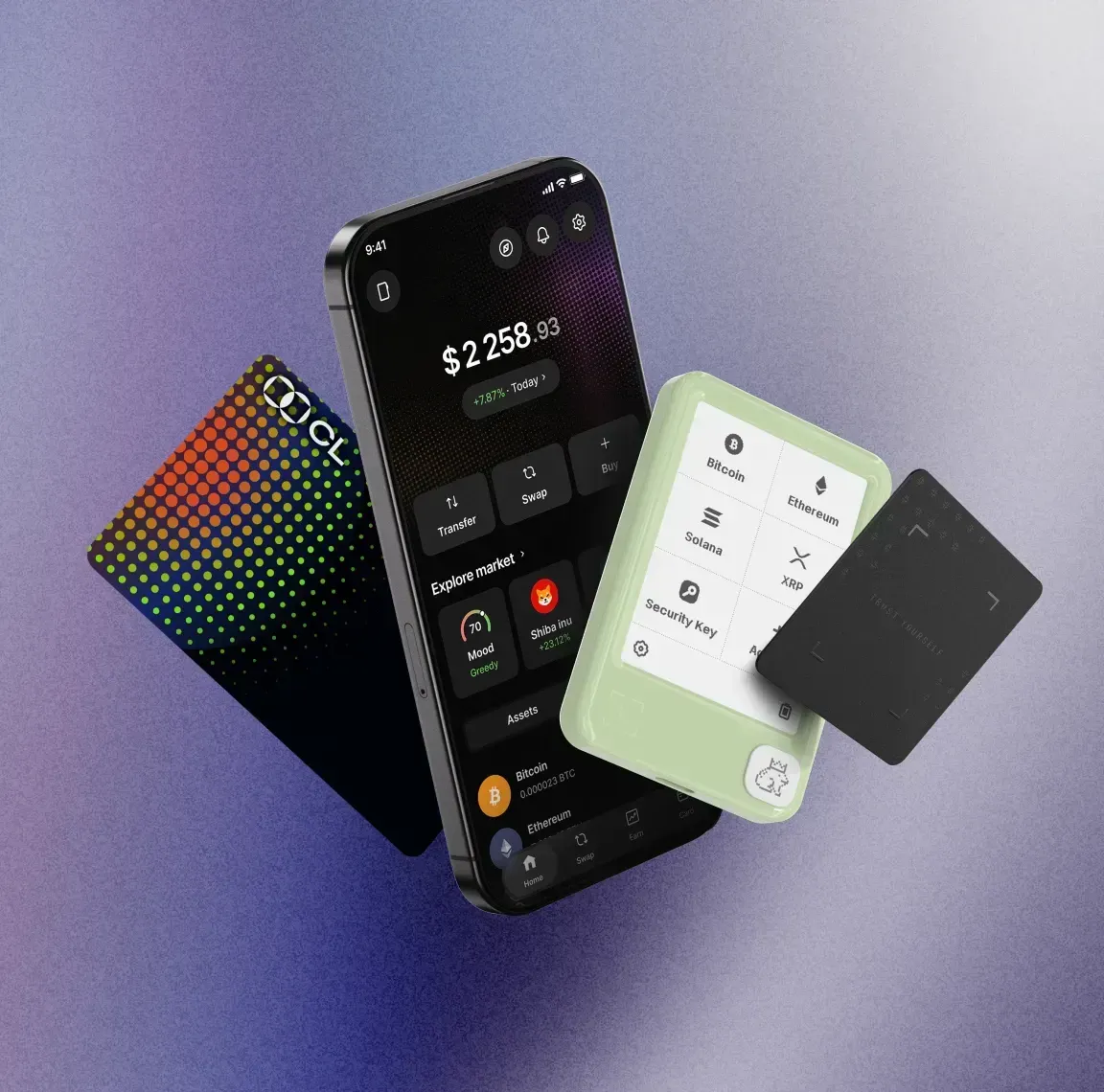
Years of expertise in digital asset self‑custody
Hardware‑level signing defends against remote attacks
Clearer Asset Overview
View multi‑chain asset distribution, real‑time prices, and transaction history at a glance through Ledger Wallet – giving you full visibility of your digital portfolio.
More Flexible Asset Management
Buy, exchange, stake, and connect to Web3 apps all within the self‑custody framework – balancing convenience with security for a wide range of on‑chain operations.
Stronger Private Key Sovereignty
Private keys never leave the hardware secure element – all critical signatures are performed on the device, giving you sole control over your assets.
Quick Start
Begin Your Self‑Custody Journey with Ledger

Ledger Hardware Wallets
Why Choose Ledger Hardware Wallets?
Only Ledger hardware wallets provide true self‑custody security for your digital assets – shielding you from identity theft and wallet compromise.
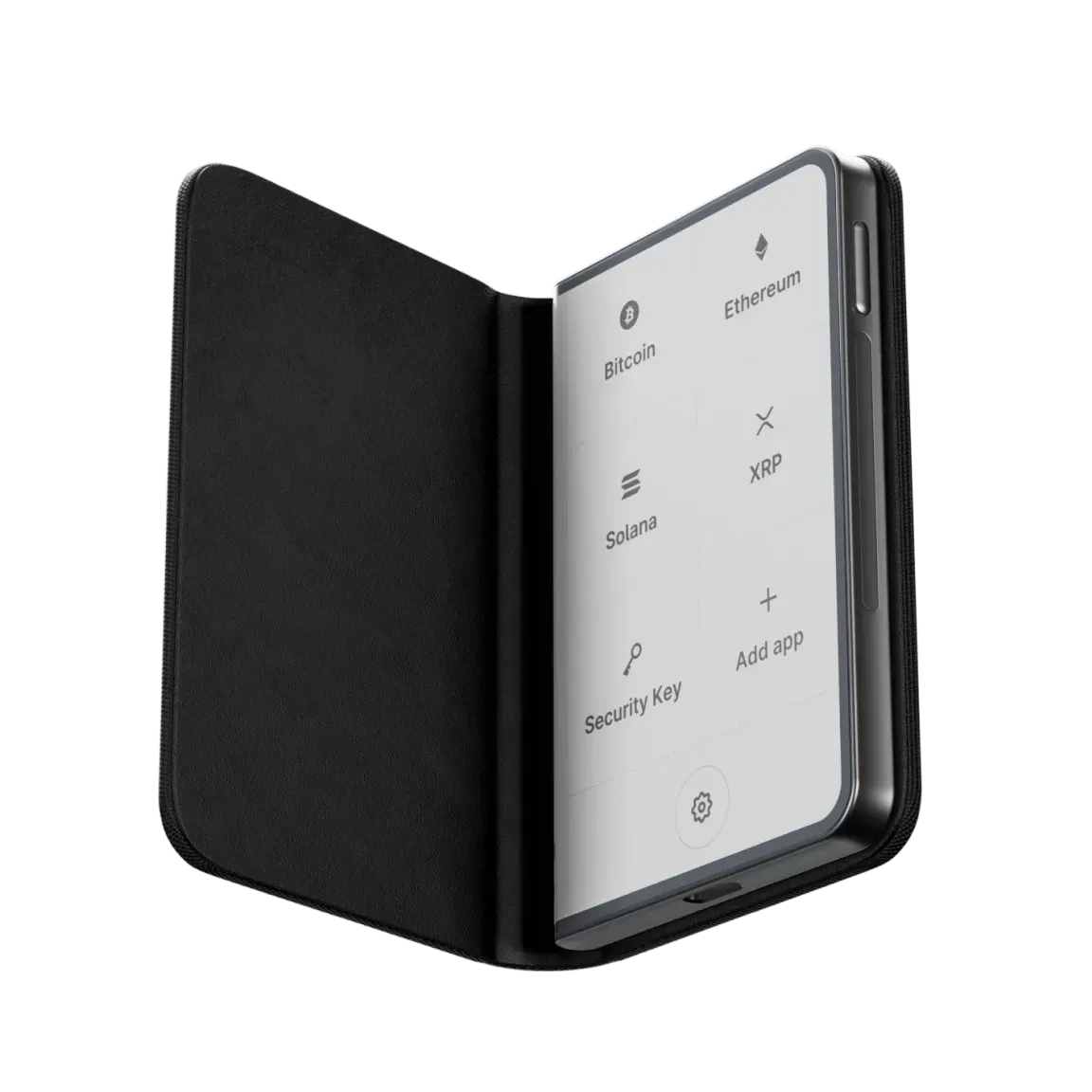
Ledger Stax™
3.7" curved E‑Ink screenDesigned for large‑screen interaction and NFT display – review every transaction detail clearly on the device and reinvent the hardware wallet experience.
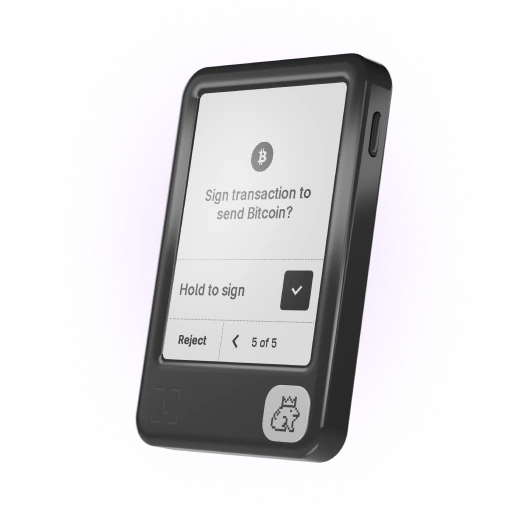
Ledger Flex™
2.8" touchscreenBuilt for users who demand efficient transaction confirmation – striking an ideal balance between security and convenience for both beginners and advanced users.
New
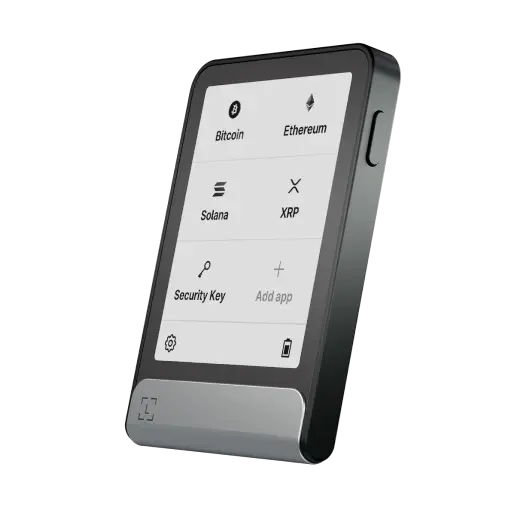
Ledger Nano™ Gen5
2.8" lightweight screenCombines portability, security, and ease of use – a reliable companion for daily asset management, long‑term holdings, and multi‑chain interactions.
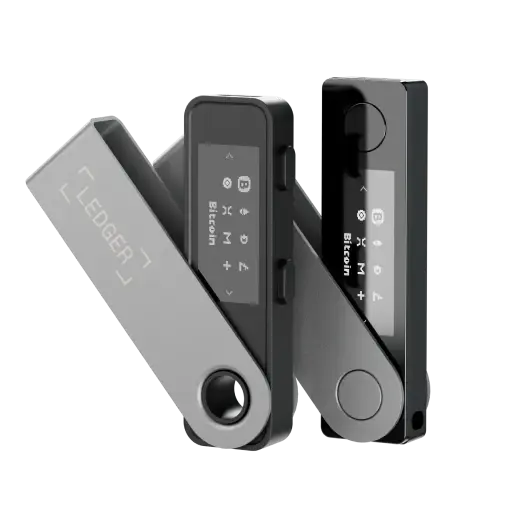
Ledger Nano™ Classic
1.1" screenA time‑tested cold wallet classic – securely swap, stake, and store your assets for the long term, whether at home or on the go.
Asset Coverage
Full Support for Bitcoin, Ethereum, Stablecoins & Multi‑Chain Assets
Users can manage Bitcoin, Ethereum, Solana, XRP, USDT, NFTs, and other major digital assets through Ledger Wallet. Supported assets continue to expand with network upgrades, app updates, and official service enhancements.
WALLET
What is Ledger Wallet?
Ledger Wallet™ is your unified gateway to managing digital assets – integrating buying, exchanging, staking, and spending, all while the underlying security is backed by Ledger hardware wallets.
Download Ledger Wallet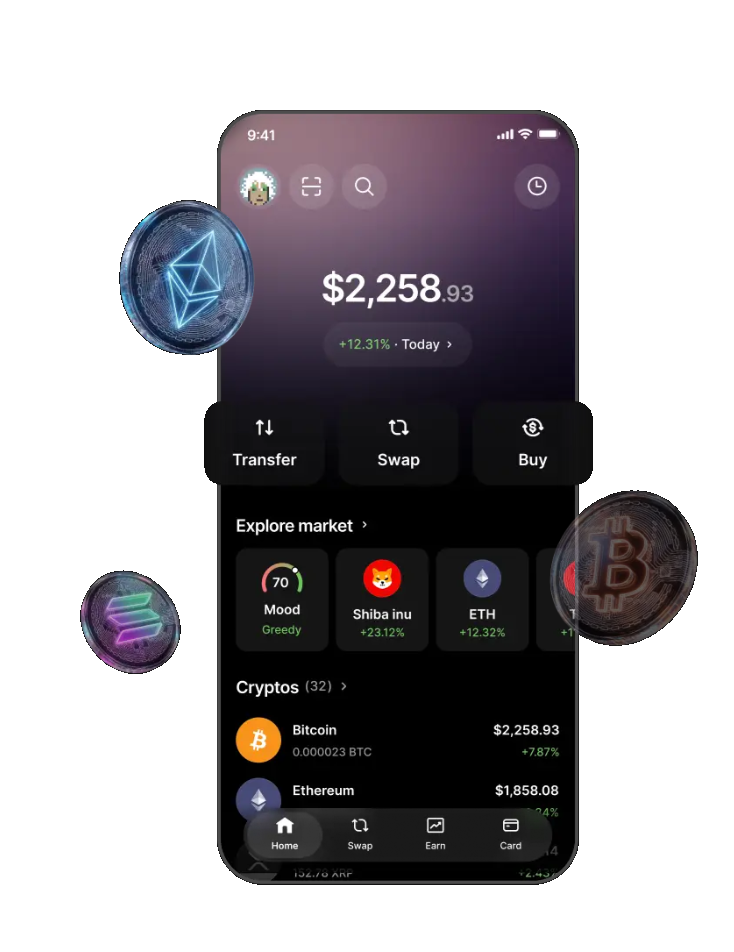
CARD
Bring Crypto into Everyday Payments
With Ledger Wallet, you can easily spend, swap, stake, and manage your accounts – all within the self‑custody framework. Always verify the network, address, amount, and authorization scope before any on‑chain operation to ensure transaction safety.
Download Ledger Wallet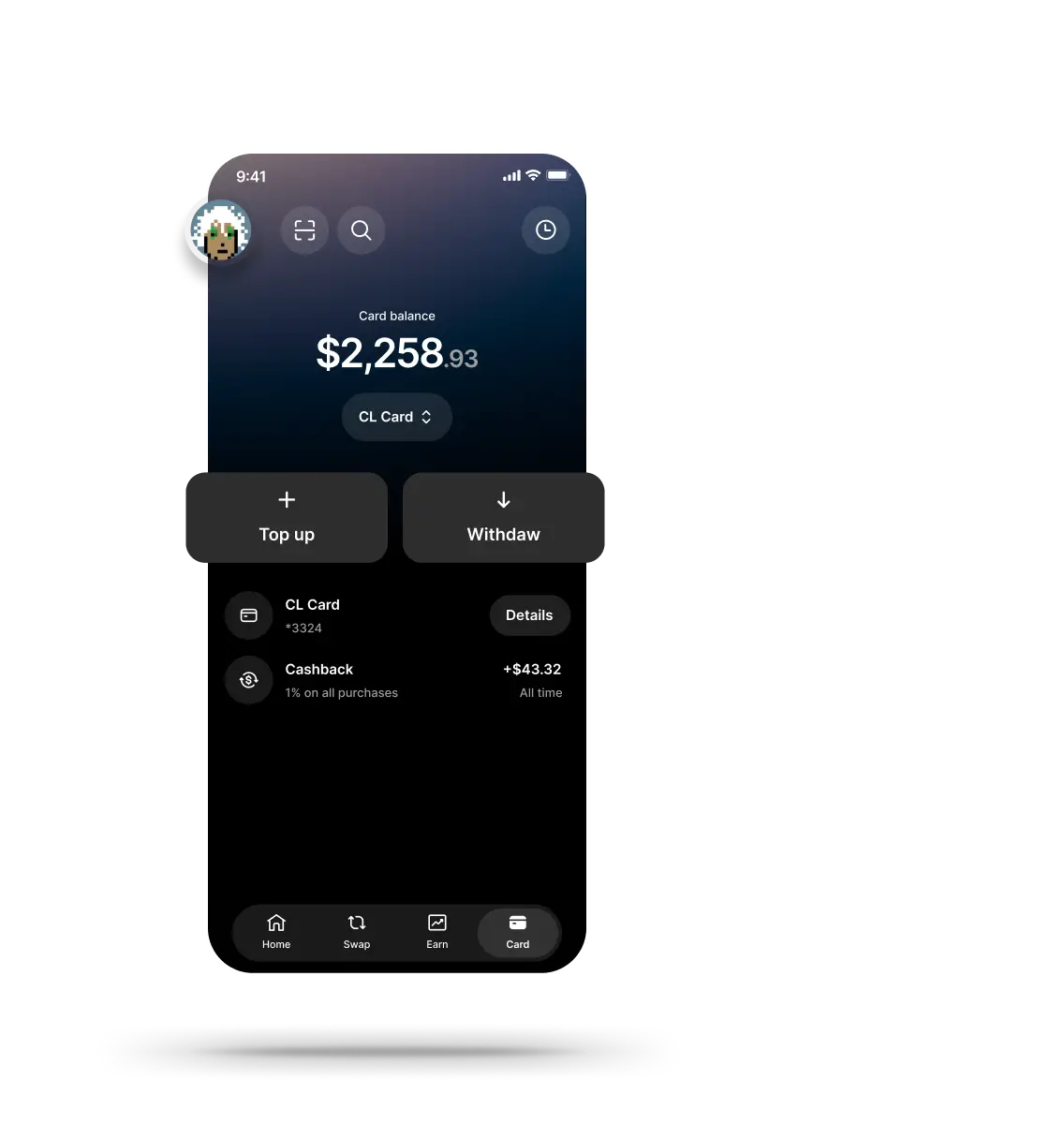
Swap & Liquidity
Multi‑Chain Swaps and DeFi Interactions at Your Fingertips
Ledger Wallet helps users compare services, initiate swaps, and securely connect to DeFi apps across multiple chains. While hardware‑level signing cannot eliminate all on‑chain risks, it effectively reduces private key exposure and the risk of mistaken operations.
Download Ledger Wallet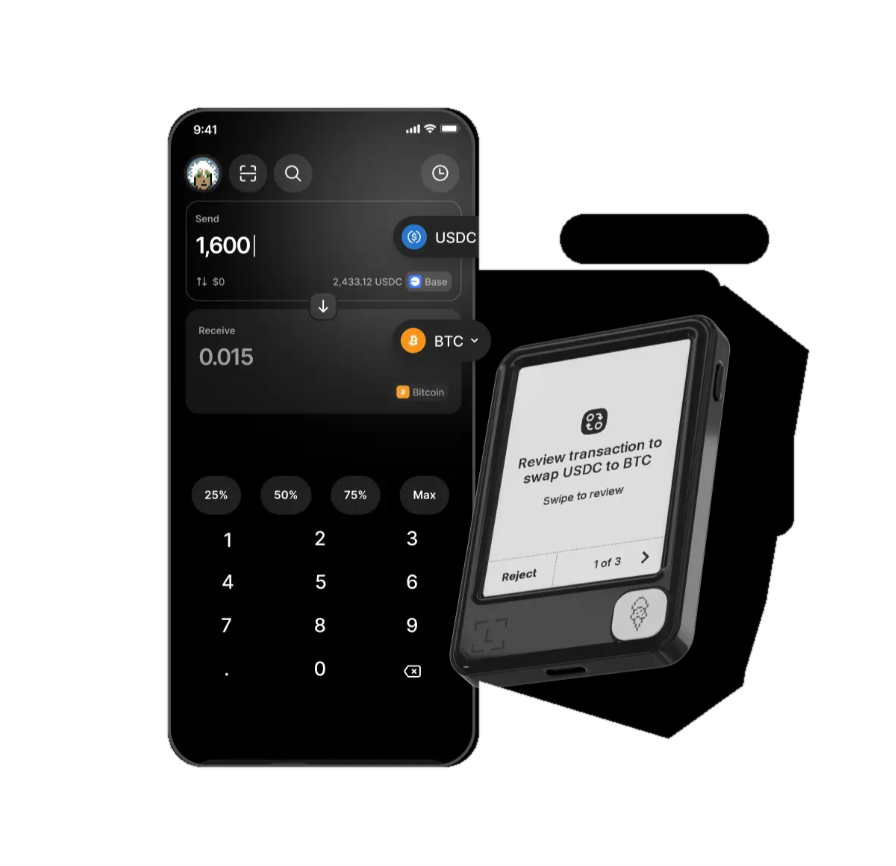
Ledger FAQ
Answers to common questions about Ledger hardware wallets, Ledger Wallet, self‑custody, seed phrase protection, and DeFi security.
Ledger is the world's leading provider of digital asset self‑custody solutions. Through hardware wallets and the Ledger Wallet app, users retain full control of their private keys and securely hold Bitcoin, Ethereum, stablecoins, NFTs, and multi‑chain assets.
Unlike centralized exchanges, Ledger returns private key sovereignty to the user. Every critical transaction must be confirmed on the device screen, fundamentally reducing the risk of private key leakage.
It is especially suitable for long‑term holders, cross‑chain asset management, DeFi interactions, and users who demand a higher level of security for their digital assets.
The security of Ledger hardware wallets is built on a dual mechanism: "offline private key storage + on‑device signing." Private keys are permanently sealed in the secure element (SE) and never exposed to any connected device or browser extension.
Every transfer, swap, or authorization requires you to verify the address, network, amount, and permission scope on the hardware screen, and confirm with a physical button before execution.
However, keep in mind that a hardware wallet cannot replace your own vigilance against smart contract risks, phishing sites, or seed phrase leaks – security awareness is always the first line of defense.
Ledger Wallet is the front‑end application that displays assets, initiates transactions, and connects to Web3 services. The Ledger hardware wallet is the physical device that stores private keys and confirms signatures.
You check balances, buy, swap, stake, or connect to DApps via Ledger Wallet – but any operation that requires a signature is finally confirmed on the hardware wallet.
The two work together to preserve the convenience of mobile operations while keeping private keys offline at all times.
Ledger is a self‑custody wallet – you control your private keys and assets independently. Exchange wallets are custodial accounts where assets are held by the platform.
Self‑custody gives you full asset sovereignty without needing to trust a third party, but you are responsible for seed phrase storage, device security, and authorization management.
In practice, many users keep trading funds on exchanges and move their long‑term holdings to a hardware wallet like Ledger for isolated protection.
Using Ledger for Bitcoin and Ethereum means private keys no longer reside on exchanges or hot wallets – effectively mitigating platform risks, device intrusions, and phishing attacks.
Bitcoin, Ethereum, and stablecoins are often the core assets with the longest holding periods and highest transaction frequency. Confirming addresses and amounts on the hardware wallet greatly enhances the security of large transfers.
We recommend performing a small test transaction before large operations and carefully reviewing every detail on the device screen.
Your Ledger seed phrase is the only way to recover your wallet assets – it must be stored offline, never screenshotted, never uploaded to the cloud, never shared with anyone, and never entered into any website or app.
We recommend writing it down on the provided recovery sheet or a metal backup plate, storing copies in secure locations, and periodically checking the integrity of your backups.
Any request for your seed phrase or private keys, under the guise of customer support, airdrops, or technical assistance, is a high‑risk scam – disengage immediately.
Ledger supports Bitcoin, Ethereum, Solana, XRP, USDT, NFTs, and many other multi‑chain tokens – covering major public chains and asset types.
To enable and operate different assets, you may need to configure the corresponding accounts in Ledger Wallet or compatible services. Some networks may require installing a separate app.
Supported assets evolve with official app updates, network upgrades, and third‑party integrations. Always verify that the asset, network, and address match before any operation.
Connecting DeFi through Ledger significantly reduces private key exposure, but it cannot eliminate inherent risks such as smart contract vulnerabilities, phishing sites, malicious approvals, or market volatility.
Before connecting to any DApp, carefully verify the website source, contract permission types, approval amounts, and signature content – never approve blindly.
Consider separating long‑term holdings from DeFi‑interacting funds, perform small test transactions before large operations, and regularly review and revoke unused approvals.